
Timber Fence Posts for Farms, Vineyards, Parks and Coastal Sites
Durable Hardwoods supplies timber fence posts across SA: Cypress Pine, Merbau and treated pine, sized and specified for how each timber performs in the ground. Delivery is also available to VIC, NSW and QLD.
Heat, moisture, termites, salt air and heavy loads all test a fence post. We help you choose the right timber, in the right size, to the right specification.
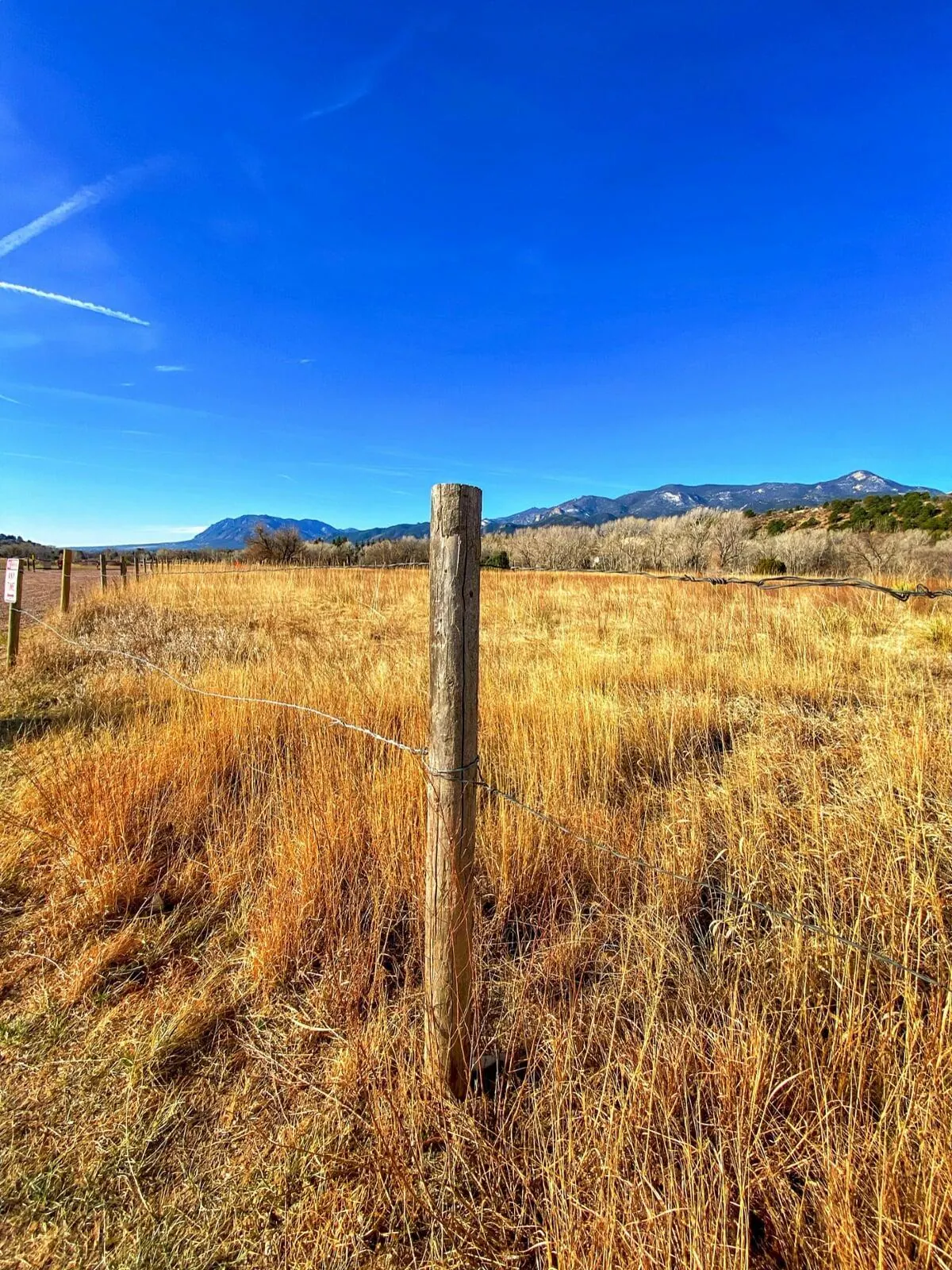
Posts for every application
Timber posts suit a wider range of uses than any other fencing material, from working farms and vineyards to public parks, coastal reserves and building sites.
-

Farm and rural fencing
Boundary fencing, paddock division and livestock containment. Posts selected for strength and stability in tough rural soils over the long term.
-

Wineries and vineyards
Naturally durable Cypress Pine and Merbau need no chemical preservatives (the poster recommends oil-based finishes for both), so there is no risk of preservative leaching into soil or vines. A natural fit for organic and boutique vineyards.
-

Parks and councils
Durable, low-maintenance posts for open spaces, walking trails, nature reserves and heritage areas. We are a registered and panel supplier to government. See government and councils.
-

Landscaping
Retaining structures, garden edging, feature fencing and screens, with the natural warmth of timber.
-

Coastal areas
Salt air and high moisture need timber that can take it. Posts selected for coastal and marine-adjacent sites, with 316 stainless fixings to match.
-

Builders and contractors
Residential and commercial fencing projects, supplied to order with consistent sizing and quality grading.
Choosing a species
Three timbers meet the demand in different ways. Cypress Pine brings natural termite resistance and stability, treated pine offers cost-effective performance at scale, and Merbau delivers exceptional hardness and strength. The right choice depends on your application, your site and how long the fence needs to last.
| Species | Durability class | Expected life outside | Stress grade | Hazard level | Best for |
|---|---|---|---|---|---|
| Cypress Pine | Class 1 (natural) | 40+ years above ground; 25+ years in ground | F7 | H3–H4 | Post and rail, rural fencing, gates, organic and vineyard sites |
| Treated pine | Treated to hazard level | 20 to 40+ years, depending on hazard level and conditions | — | H4 in ground; H5 fresh water | Farm, boundary and residential fencing, large-volume projects |
| Merbau | Class 1 (natural) | 40+ years above ground; 25+ years in ground | F11–F14 | H4–H5 | Feature, gate and pergola posts, winery trellis end posts |
Durability classes, stress grades and hazard levels for Cypress Pine and Merbau are from our Australian Hardwoods poster. How to read timber ratings.
Cypress Pine
One of Australia's best-known native timbers. Naturally termite resistant, dimensionally stable and surprisingly light, it suits a wide range of fencing.
Its natural oils resist termites and decay without chemical treatment, which makes it a strong choice for organic properties, vineyards and environmentally sensitive areas. It has one of the lowest shrinkage rates of any Australian commercial timber, so posts move and crack less over time.
Cypress Pine is a softwood, but its natural durability puts it in Class 1.
- Species
- Callitris glaucophylla (White Cypress Pine) and C. columellaris
- Durability class
- Class 1: 40+ years outside above ground, 25+ years in ground
- Stress grade
- F7
- Hazard level
- H3–H4
- Bushfire (BAL)
- BAL-12.5 to BAL-19
- Termite resistance
- Naturally resistant
- Finish and treatment
- Poster recommendation: oil finishes, stains or sealers. A bitumen coating is recommended on the in-ground section.
- Colour
- Pale straw to golden yellow, weathering to silver-grey
- Weight
- Light and easy to handle and install
- Best for
- Post and rail fencing, rural fencing, gates, pergolas, organic and vineyard sites
Treated pine
Australia's most widely used fence post timber. Cost-effective and consistently sized, it is the practical choice where volume and budget matter most.
Untreated radiata pine has low outdoor durability. Preservative pressure treatment makes it highly resistant to decay, insects and termites, and suitable for in-ground fencing across Australian climate zones.
Choosing a treatment: CCA-treated posts are not suitable for organic properties, vineyards, vegetable gardens or children's play areas, and CCA has not been used in child-contact areas since 2005. ACQ is arsenic-free and approved for playgrounds, but it corrodes mild-steel fixings, so use HDG or stainless hardware. For organic and vineyard sites, Cypress Pine or Merbau are the natural alternatives.
- Species
- Pinus radiata (radiata pine)
- Treatment standard
- AS/NZS 1604
- Hazard level: fence posts
- H4 minimum (in ground)
- Hazard level: fresh water
- H5 (dam posts, freshwater jetties)
- Treatment types
- CCA (copper chrome arsenate) or ACQ (alkaline copper quaternary)
- Service life
- 20 to 40+ years, depending on hazard level and conditions
- Termite resistance
- High, through preservative treatment
- Colour
- Golden to greenish from treatment, weathering to grey
- Best for
- Farm, rural boundary and residential fencing, large-volume projects, landscaping
Merbau
A tropical hardwood known for strength, density and natural beauty, and an outstanding choice for feature fencing, gate posts, pergola posts and structural posts.
Its rich reddish-brown colour and striking grain make it popular where appearance matters as much as performance, including winery trellising, architect-designed fences and high-end landscaping. The poster recommends oil finishes and minimal treatment, so there is no chemical preservative to leach into soil or vines.
- Species
- Intsia bijuga
- Durability class
- Class 1: 40+ years outside above ground, 25+ years in ground
- Stress grade
- F11–F14
- Hazard level
- H4–H5
- Janka hardness
- 8.6 kN
- Density
- About 830 kg/m³
- Termite resistance
- Excellent
- Bushfire (BAL)
- BAL-29
- Colour
- Rich reddish-brown to dark brown with golden streaks
- Best for
- Feature, gate and pergola posts, structural posts, winery trellis end posts, architectural fencing
Fence post sizing guide
Post length depends on fence height, soil and how deep the post must go. As a rule, at least one-third of the post should be below ground, with a minimum of 600 mm in standard conditions.
| Post length | Fence height | Typical use |
|---|---|---|
| 1800 mm | Up to 1200 mm | Low, temporary or decorative fencing |
| 2100 mm | 1500 mm | Standard residential and garden fencing |
| 2400 mm | 1800 mm | Most common: residential fencing, gates and corners |
| 2700 mm | 1800–2100 mm | Where deeper footings are needed |
| 3000 mm | Up to 2400 mm | Tall fencing, soft soil, high-wind areas |
- One-third rule. For a 2.4 m post, that's 800 mm in the ground and 1.6 m above.
- Minimum depth. Set posts at least 600 mm deep for standard fences, whatever the height.
- Windy or coastal sites. Increase footing depth to 900 mm or more to resist wind load.
- Soft or sandy soil. Use longer posts for deeper footings and better stability.
- Sloping ground. Posts may need to be longer to keep a consistent fence height.
- Corner and gate posts. Use a larger section and deeper footing. These carry the most load.
Common post sizes, supplied to order
Square, rectangular and round profiles. These are common sizes; custom sizes are available through our mill network. Tell us what you need and we'll confirm sizes for your project.
Square and rectangular posts
| Size | Typical use |
|---|---|
| 75 × 75 mm | Light duty, picket fencing, garden edging |
| 90 × 90 mm | Standard residential fencing, light gate posts |
| 100 × 100 mm | Standard hardwood and Cypress post size |
| 115 × 115 mm | Medium-duty fencing, pergola posts |
| 125 × 75 mm | Intermediate rural fencing posts |
| 140 × 140 mm | Heavy-duty posts, large gate posts, structural |
| 150 × 150 mm | Corner posts, heavy gate posts, rural strainer posts |
Round posts (treated pine)
| Diameter | Typical use |
|---|---|
| 75–100 mm | Light rural fencing, temporary fencing |
| 100–125 mm | Standard rural boundary fencing |
| 125–150 mm | Medium rural, farm fencing |
| 150–200 mm | Heavy farm fencing, strainer posts |
| 200–250 mm | Heavy strainer posts, high-load rural use |

Fixings and wire
Order your posts and hardware together. Through Durable Hardware we supply post stirrups, gate hardware, high-tensile and zinc-aluminium fencing wire, and HDG or 316 stainless fixings graded for your site. Zinc-aluminium wire is recommended for coastal and high-moisture runs, and a bitumen end-grain coating helps protect in-ground post ends.
Common questions
Do fence posts need treatment for in-ground use?
A post set in the ground needs preservative treatment to H4 (in ground, severe wetting), or H5 for extreme wetting and fresh water. Naturally Class 1 species such as Cypress Pine and Merbau are the alternative: the poster recommends oil-based finishes for them rather than preservative treatment. Treated pine posts are treated to H4 minimum under AS/NZS 1604.
Which posts suit organic vineyards?
Cypress Pine or Merbau. Both are naturally durable and need no chemical preservatives (the poster recommends oil-based finishes), so there's no risk of preservative leaching into soil or vines. CCA-treated pine is not suitable for organic properties, vineyards, vegetable gardens or children's play areas.
How deep should I set a fence post?
Set at least one-third of the post below ground, and never less than 600 mm for a standard fence. For example, a 2.4 m post goes 800 mm into the ground. On windy or coastal sites, go to 900 mm or more.
How do I maintain a timber fence?
Inspect it every year for rot, especially where posts meet the ground. Clean with a timber cleaner and re-oil or stain every 2–3 years. Keep drainage good around posts, trim back vegetation for air flow, and replace damaged palings or posts promptly.
Get a free assessment & quote
Tell us what you are building, where, and the conditions it has to handle. Matt will come back with the right species, grade and sizes, priced for your job.